HYDROGEN

Hydrogen gas is a byproduct of the electrolytic production of chlorine. Before it is available for distribution, Al-Kout separates and further treats its hydrogen gas in order to produce a product that is of the highest quality.
Hydrogen serves a wide range of applications in the industrial sector and can be delivered quickly and efficiently throughout the MENA region. At Al-Kout, we produce one of the highest grades of hydrogen gas on the market.
Compressed hydrogen gas has a wide range of pressure (from 130-200 kg/cm2) with various grades from 3 to 5 (99.999% purity). The gas is filled in cylinders with various capacities (5 to 7 Nm3) or large tube trailers.
Hydrogen is used for the hydrogenation of edible oils and non-edible oils. It is also used in the manufacturing process of soaps and petro-products, hard lubricants and sintering in the manufacturing process of tungsten carbide tool bits. It is also essential for powder metallurgy, underwater gas cutting and plasma cutting, the manufacturing of hydrogen peroxide, rocket propulsion, and more.
Please refer to the attached Safety Data Sheet (SDS) for more detailed information regarding the use, storage and safe handling of this product.


PRODUCT USES


  • Fuel: Some see hydrogen gas as the clean fuel of the future – generated from water and returning to water when it is oxidized. Hydrogen-powered fuel cells are increasingly being seen as ‘pollution-free’ sources of energy and are now being used in some buses and cars.
  • In the chemical industry, it is used to make ammonia for agricultural fertilizer (the Haber process) and cyclohexane and methanol, which are intermediates in the production of plastics and pharmaceuticals.
  • It is also used to remove sulfur from fuels during the oil-refining process.
  • Large quantities of hydrogen are used to hydrogenate oils to form fats, for example, to make margarine.
  • In the glass industry, hydrogen is used as a protective atmosphere for making flat glass sheets.
  • In the electronics industry, it is used as a flushing gas during the manufacture of silicon chips.
  • The low density of hydrogen made it a natural choice for one of its first practical uses – filling balloons and airships. However, it reacts violently with oxygen (to form water) and its future in filling airships ended when the Hindenburg airship caught fire.

 

Safety Data Sheet – Compressed Hydrogen >>

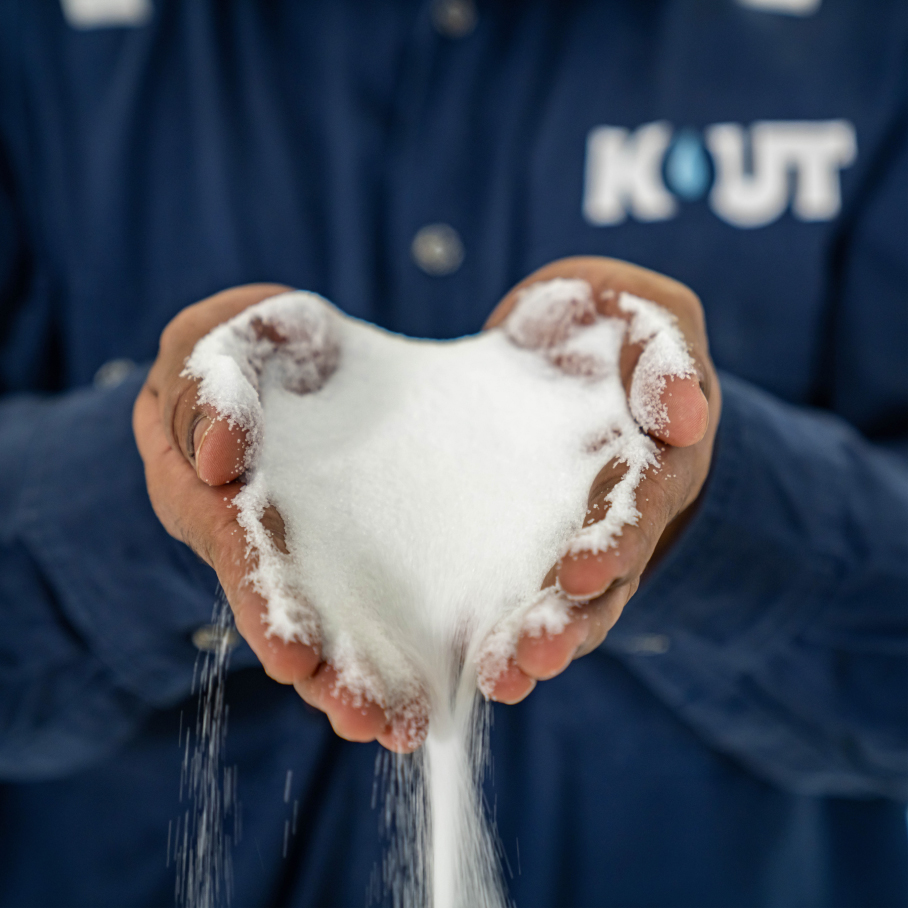
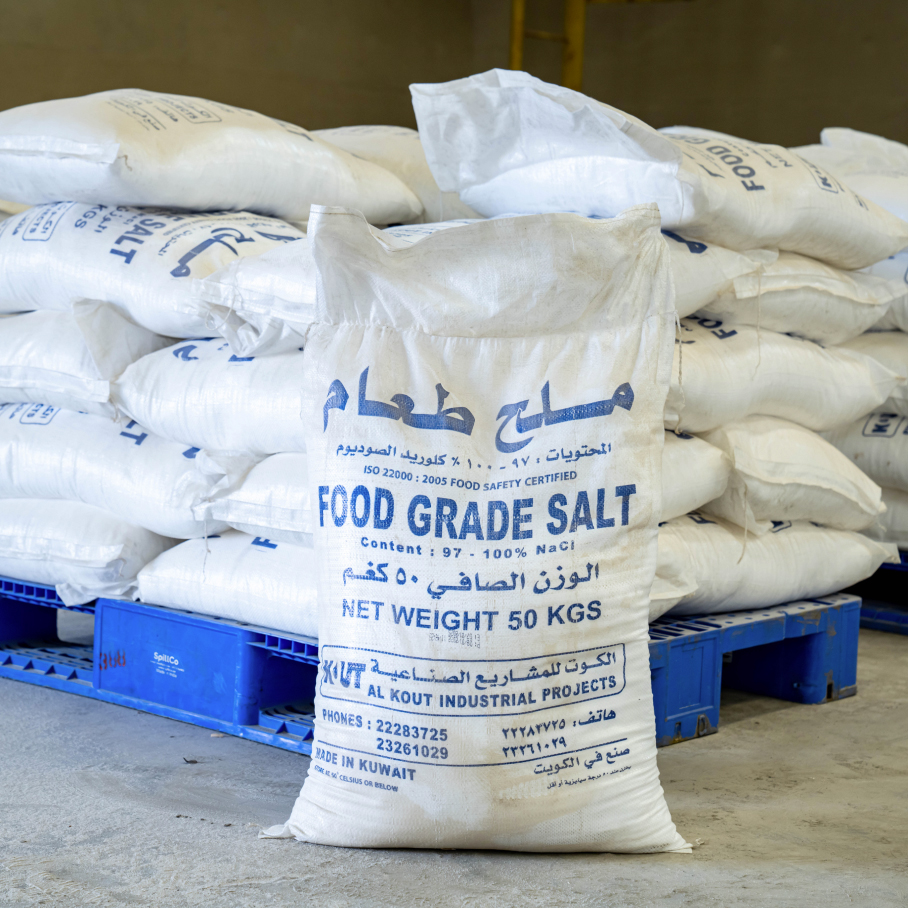
PURIFIED Food Grade Salt (SODIUM CHLORIDE)

Sodium chloride Food Grade Salt is produced directly from raw seawater through a state-of-the-art technology called Electro Dialysis, which is a membrane process. The material is then subjected to further evaporation/crystallization processes.
Sodium chloride is the main raw material for the manufacture of the Chlor-Alkali products, and Al-Kout is home to a facility that produces iodized grade salt for the food industry. The purity of Al-Kout’s Food Grade Salt is extremely high, making it a preferred source for the food industry. Al-Kout’s food grade quality and industrial-utility materials are delivered to customers in bulk.
Please refer to the attached Safety Data Sheet (SDS) for more detailed information regarding the use, storage and safe handling of this product.


PRODUCT USES


  • Pulp and paper industry: For pulping and neutralization, washing and bleaching, and for the processing of waste paper.
  • Textiles: Leather tanning, for the finishing of wool and cotton, for dyeing and bleaching, and for the deacidification in the production of spun rayon.
  • Waste and water treatment.
  • Petroleum additives.
  • Dyes and intermediates.
  • Pharmaceuticals: Salt provides the life-essential nutrients sodium and chlorine, which help regulate and have an impact on many body and hormonal systems. In some medical conditions, the ingestion of these nutrients is crucial for the restoration of electrolyte balance in the body. Salt is also used as an ingredient in pharmaceutical products.
  • Sodium chloride is the most widely used de-icing agent in Europe and throughout the world due to its huge advantages over the alternatives. It is not only widely naturally occurring and easy to store and apply, hence the least expensive, but it also has the least environmental impact when used properly.
  • Animals also require salt to keep them healthy. The appropriate salt intake ensures their growth and strong immune and reproductive systems. Often agricultural animals and commercial livestock do not receive enough salt from foraging and other feeds, and for that reason it is necessary to supplement their diet with salt.


Safety Data Sheet – Salt >>

SODIUM HYPOCHLORITE

Sodium hypochlorite is a colorless or slightly yellow watery liquid with an odor similar to that of household bleach. It is produced by the reaction of chlorine and sodium hydroxide.
Sodium hypochlorite is also known as soda bleach. Its chemical formula of NaOCl is used extensively for domestic bleach manufacturing and industrial applications such as wastewater treatment and industrial cooling water. “Hypo” is in high demand as a cost-effective way to prevent the spread of infections via water-borne diseases. It is a bleaching agent for rayon, pulp and paper, cotton, linen and jute. It is also a disinfectant and deodorant in dairies, water treatment (chlorination), household bleach, pool chlorination, and more.
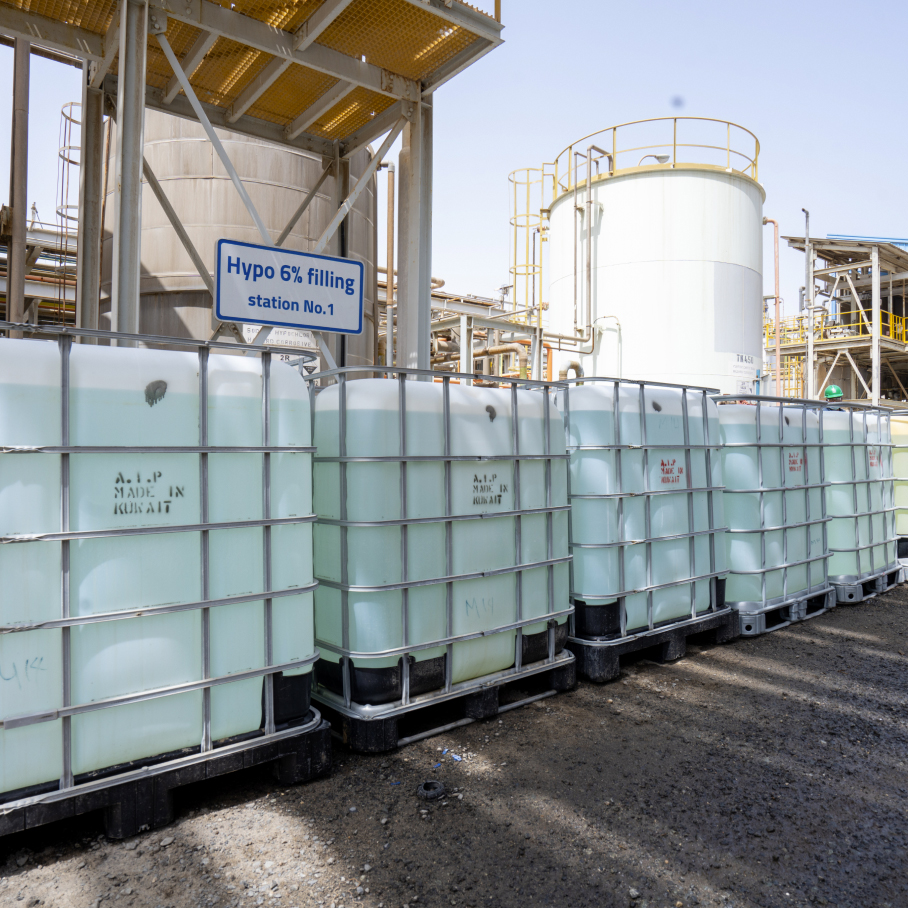
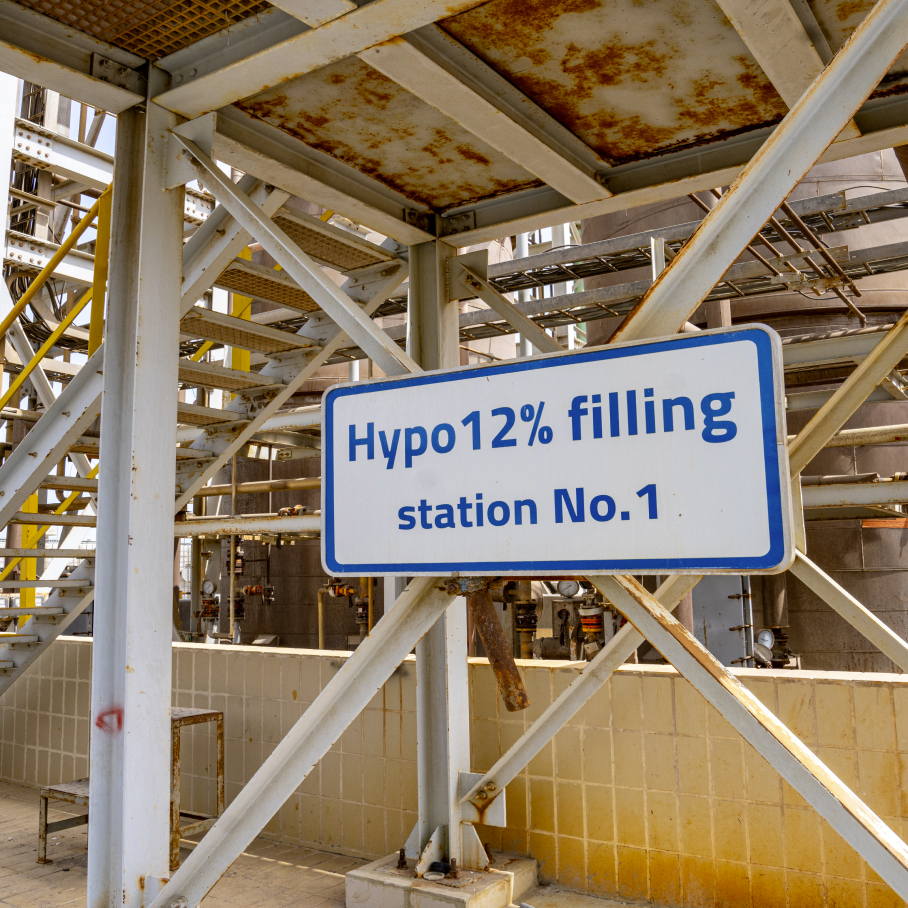
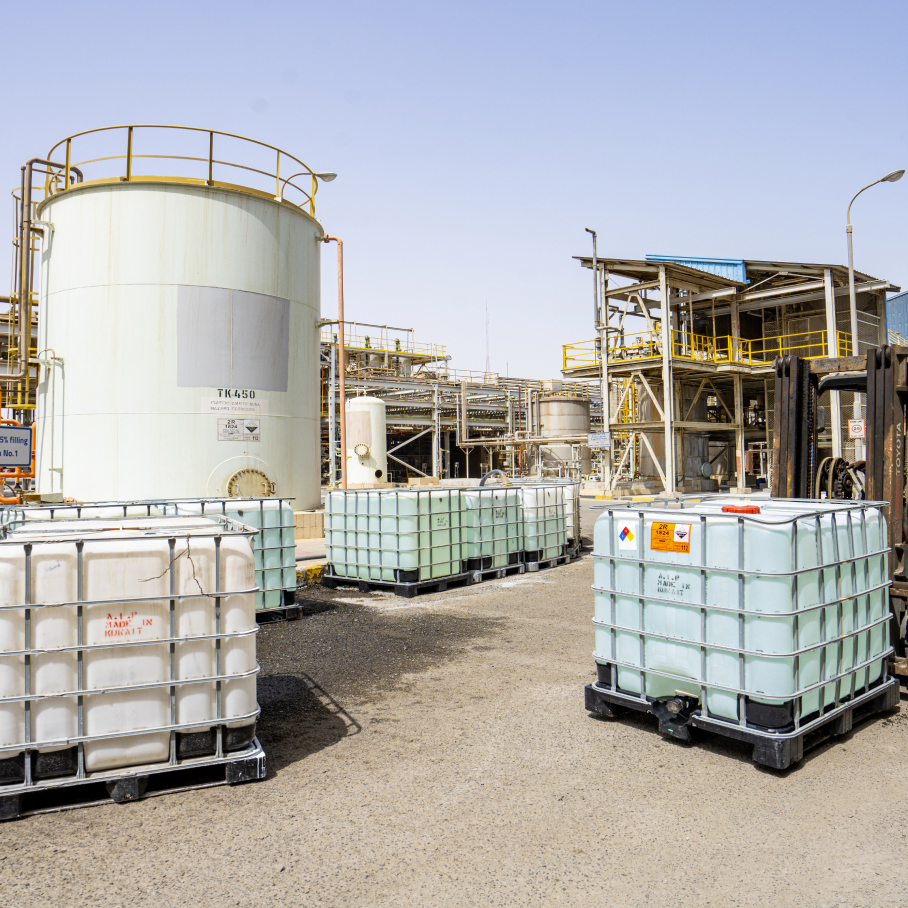
Sodium hypochlorite is available in various concentrations of 6% to 15% and is transported in intermediate bulk containers (IBCs), bulk road tankers, plastic drums or cans of various sizes.
Please refer to the attached Safety Data Sheet (SDS) for more detailed information regarding the use, storage and safe handling of this product.


PRODUCT USES


  • Sodium hypochlorite (NaOCl) is a compound that can be effectively used for water purification.
  • It is used on a large scale for surface purification, bleaching, odor removal, and water disinfection.
  • Sodium hypochlorite is used on a large scale. It is used in agriculture, chemical industries, paint and lime industries, food industries, glass industries, paper industries, pharmaceutical industries, synthetics industries, and waste disposal industries.
  • In the textile industry, sodium hypochlorite is used to bleach textile.
  • It is sometimes added to industrial wastewater. This is done to reduce odors.
  • Hypochlorite neutralizes sulfur hydrogen gas (SH) and ammonia (NH3).
  • It is also used to detoxify cyanide baths in metal industries.
  • Hypochlorite can be used to prevent algae and shellfish growth in cooling towers.
  • In water treatment, hypochlorite is used to disinfect water.
  • In households, hypochlorite is used frequently for the purification and disinfection of the house.


Safety Data Sheet – Sodium Hypochlorite 12% >>

Safety Data Sheet – Sodium Hypochlorite 6% >>

HYDROCHLORIC ACID

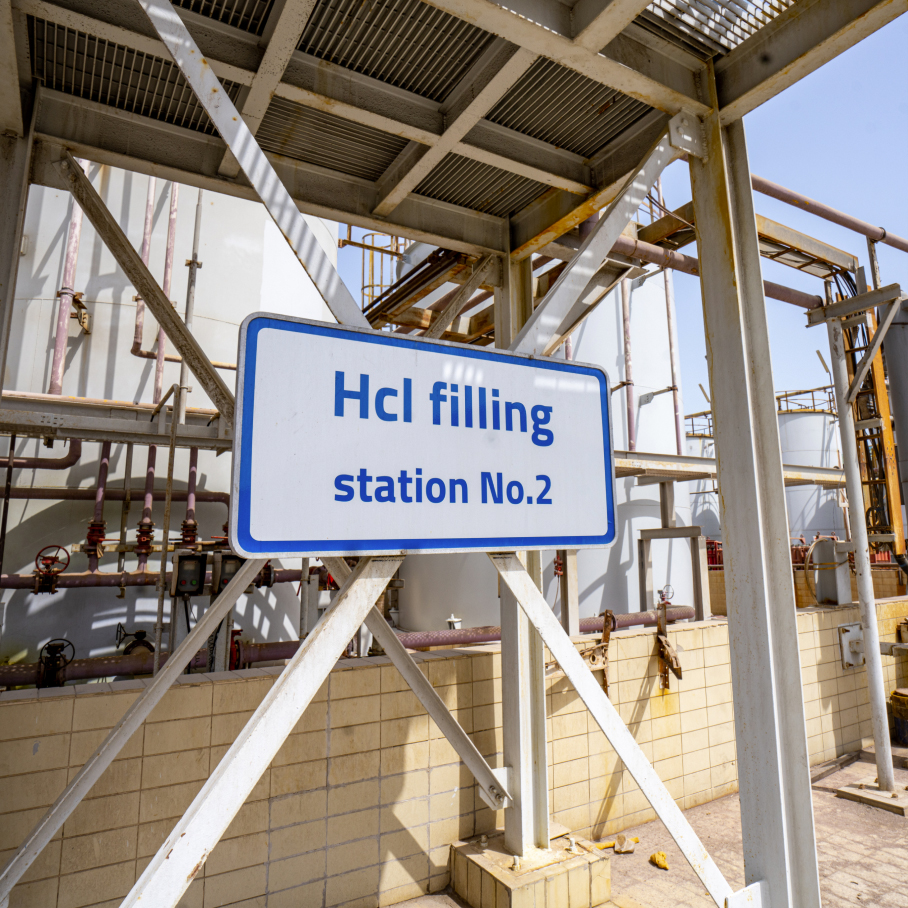
Hydrochloric acid (HCl) is a colorless to yellowish-green, clear corrosive liquid with a pungent, irritating odor. It is completely soluble in water, and hydrochloric acid gas mixed with water generates a violent exothermic reaction. Contact with most metals results in the formation of flammable hydrogen gas.
Cl is primarily used in the petrochemical and petroleum industries for its utility in chemical processing and oilfield productivity, metal pickling, galvanizing and as a pH correction agent. It is also used in the production of calcium chloride and as a product that is used to treat swimming pools.
Al-Kout’s hydrochloric acid is delivered in bulk by tanker or transported in intermediate bulk containers (IBCs) or drums.
Please refer to the attached Safety Data Sheet (SDS) for more detailed information regarding the use, storage and safe handling of this product.


PRODUCT USES


  • Manufacturing organic compounds like dichloroethane and vinyl chloride, which are used to manufacture PVC (Poly Vinyl Chloride).
  • Regulating the pH level of a wide variety of manufacturing processes including the production of drinking water, foods, and pharmaceuticals.
  • Lowering the pH or total alkalinity of the water in swimming pools to optimal levels for swimmers.
  • Purifying table salt.
  • Pickling Steel – removing rust and scale from a steel coil or sheet.
  • Processing leathers in the leather tanning industry.
  • Regenerating ion exchangers.
  • Producing inorganic compounds such as ferric acid and aluminum chlorohydrate for water treatment.
  • Assisting oil well production.
  • Processing various additives like fructose, citric acid, and hydrolyzed vegetable protein.


Safety Data Sheet – HCl-32% >>

FERRIC CHLORIDE

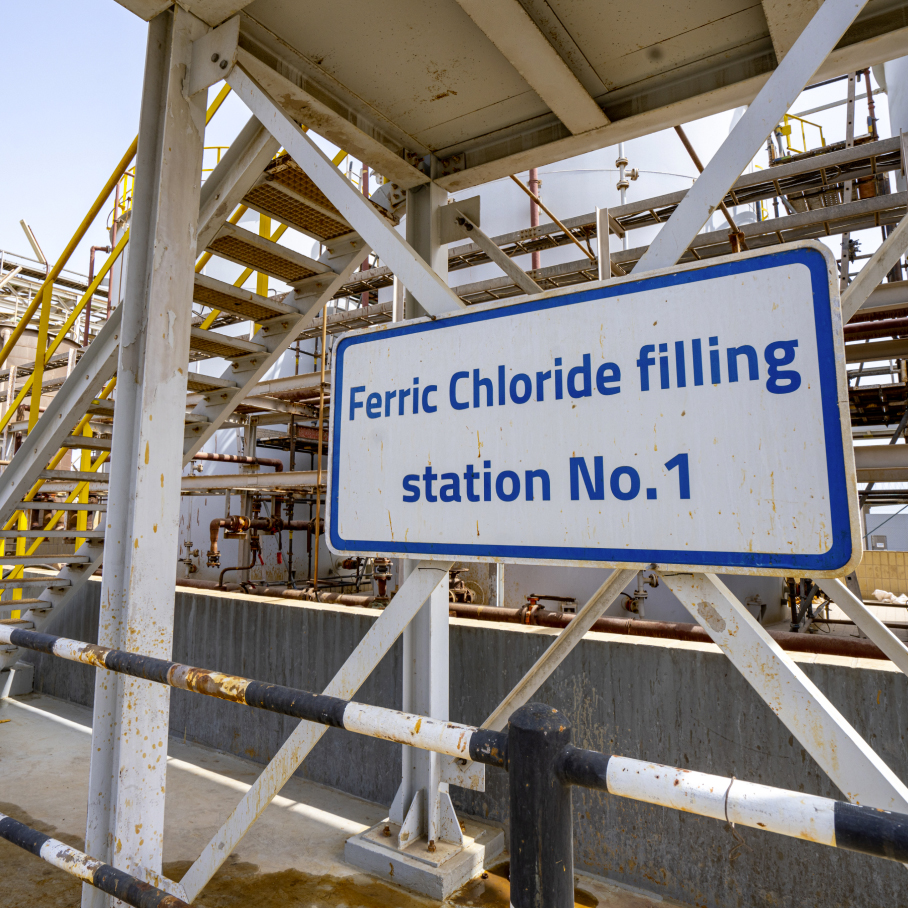
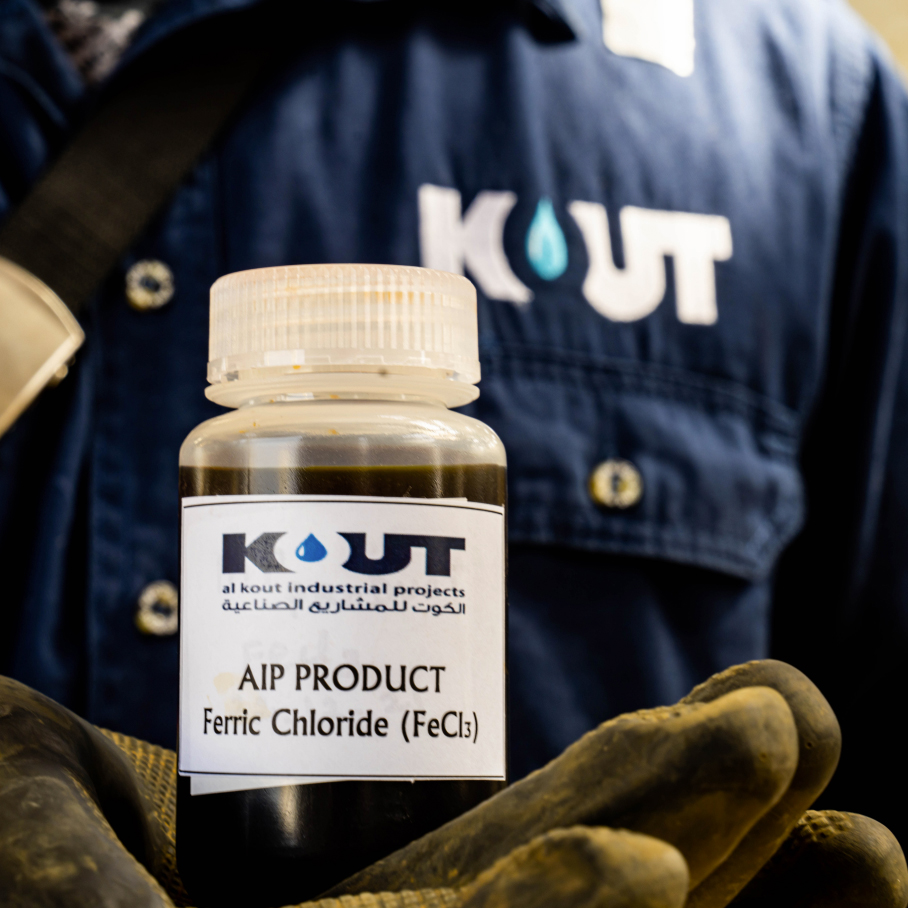
Ferric chloride 40% began produced by new facilities in AIP. Ferric Chloride 40%, also called Iron (III) chloride, is a dark brown aqueous solution that has a slight hydrochloric acid odor.
It is an industrial-scale commodity chemical compound that is formed from the reaction of Iron and Chlorine gas in present of an accurate parameter.
The brown, acidic, and corrosive solution is used as a flocculant in sewage water treatment and Industrial wastewater, as a coagulant or flocculant for dissolved waste that is used for separation & odor control.
Ferric Chloride is available at 40% concentration and is transported in intermediate bulk containers (IBCs), bulk road tankers or plastic drums.


PRODUCT USES


  • Ferric chloride is used in sewage water treatment and industrial wastewater treatment.
  • It is also used as a leaching agent in metallurgical industries.
  • Ferric chloride is used as coagulants or flocculants for separation & odor control .


Safety Data Sheet – Ferric Chloride >>

CHLORINE

Chlorine is a greenish-yellow gas that can be identified through its characteristic pungent smell. Liquid chlorine is amber in color and is one and a half times as heavy as water.
Chlorine is the most efficient and trusted means for keeping drinking water safe from bacterial infection. It is also used to treat wastewater and is indispensable in the manufacturing of bleaching products, plastics, various organic and inorganic chemicals, petrochemicals, refrigerants, textile and paper, photographic chemicals, insecticides, pharmaceuticals, and more
Governments and municipalities across the MENA region rely on Al-Kout to provide a continuous supply of chlorine, with the understanding that our company strictly adheres to world-class health and safety practices.
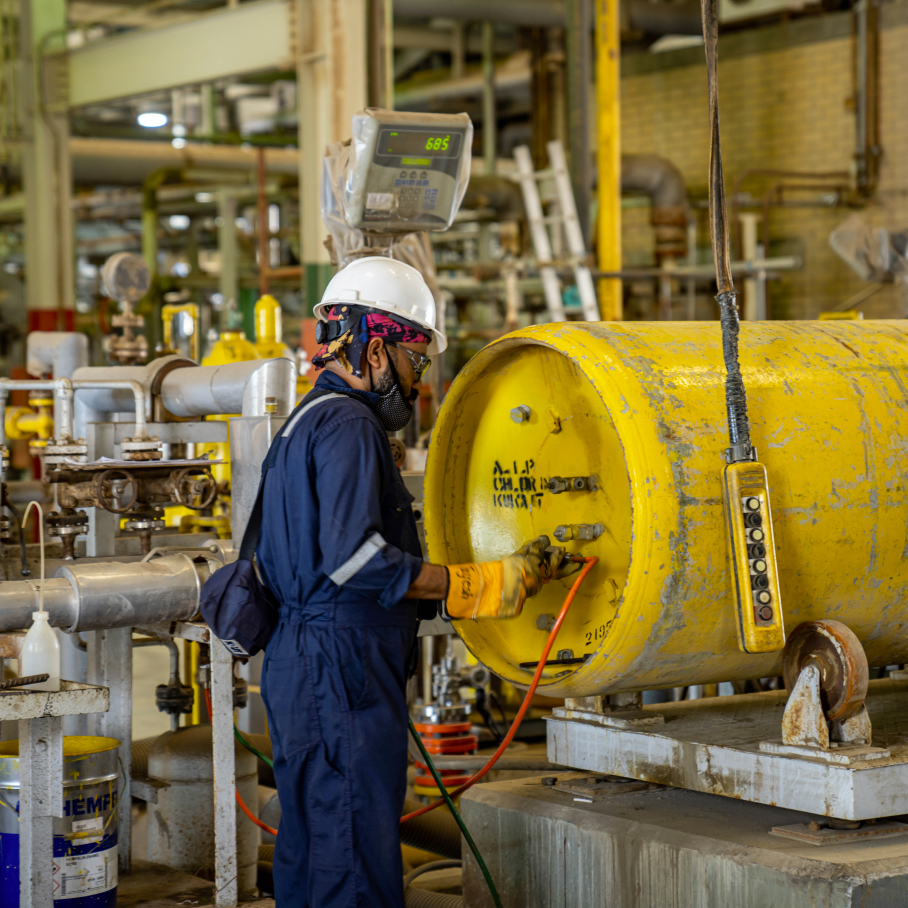
Chlorine from Al-Kout is available in cylinders (50 kgs), containers (900 & 950 kgs) and 20mt road tankers. In addition, chlorine can also be provided through direct injection methods.
Please refer to the attached Safety Data Sheet (SDS) for more detailed information regarding the use, storage and safe handling of this product.


PRODUCT USES


  • Automotive: Foam Seating, Paints, Plastic Bumper Molding, Instruments, Floor Mats, Fabric, Seatbelts, Tire Cords, Dashboards, Hoses.
  • Construction: Carpeting, Upholstery, Wire Insulation, Pipes, Siding, Flooring, Paints, Coating.
  • Defense: Bulletproof Vests, Helmets, Parachutes, Water Repellant Fibers, Shatter-Resistant Glass, Titanium Components for Aircraft, Jet Engines, Missiles.
  • Electronics: Semiconductors, Computer Disks, Wire Insulation.
  • Food Production & Handling: Herbicides, Vitamins B1 and B6, Cleaners, Disinfectants, Thermal Insulation, Sterile Packaging.
  • Health Care: Electronic Instruments, Sterile Packaging, Surgical Equipment, Cleaning Compounds, Prescription Eyewear, Laboratory Reagents.
  • Medicines: Antibiotics, Cancer Treatment, Pain Relievers, Local Anesthetics, Antihistamines, Decongestants.
  • Metal Production: Magnesium, Nickel, Bismuth, Titanium, Zirconium, Zinc.
  • Outdoor Recreation: Neoprene Wetsuits, Inflatable Rafts, Golf Grips, Surf Boards, Nylon Ropes, Tents, Sleeping Bags, Coats, Backpacks, Waterproof Clothing.
  • Water Treatment: Safe Drinking Water, Wastewater Treatment.


Safety Data Sheet – Liquefied Chlorine >>

Caustic Soda

Caustic soda, chemically called Sodium Hydroxide (NaOH), is a colorless, viscous, corrosive liquid. It is a by-product in the production of chlorine.
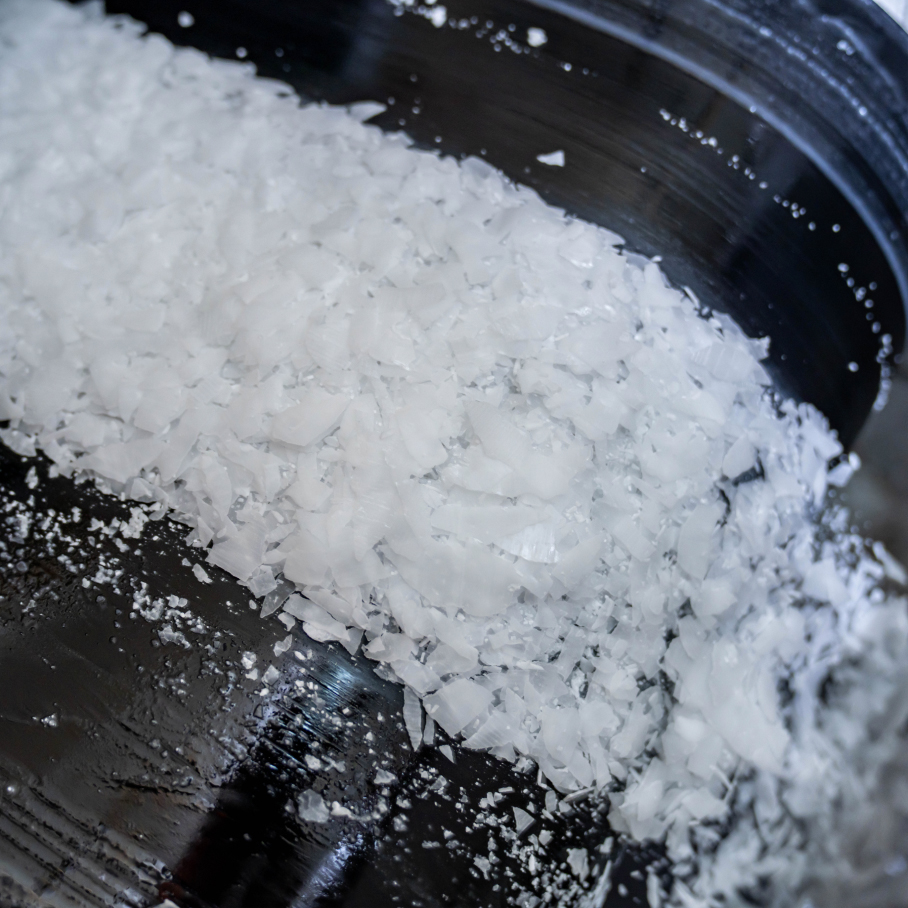
Caustic soda is a basic product that is widely used in a diverse range of industrial sectors, either as a raw material or as an auxiliary chemical. It is generally sold in two forms: as lye, with various concentrations (usually in the 30% & 49-50% range), and as solid caustic soda in the form of flakes or granules.
Al-Kout produces a high-grade product to serve the growing international market by supplying lye:

  • 25% concentrations
  • 30%, concentrations
  • 50% concentrations.

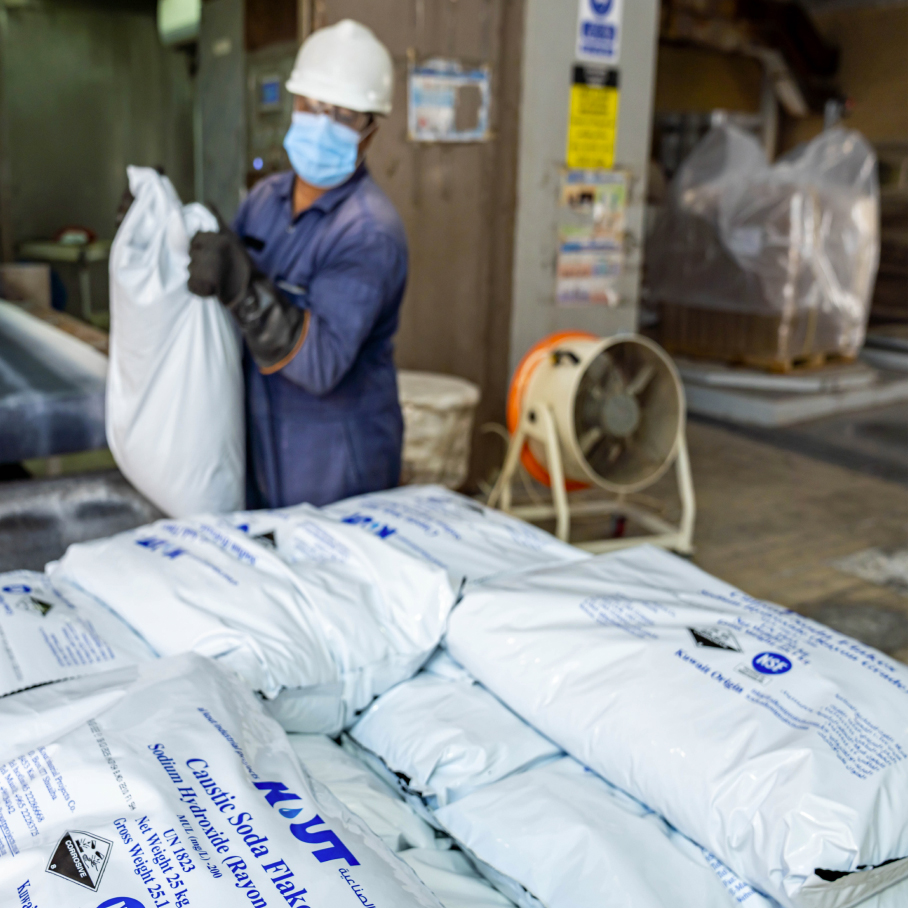
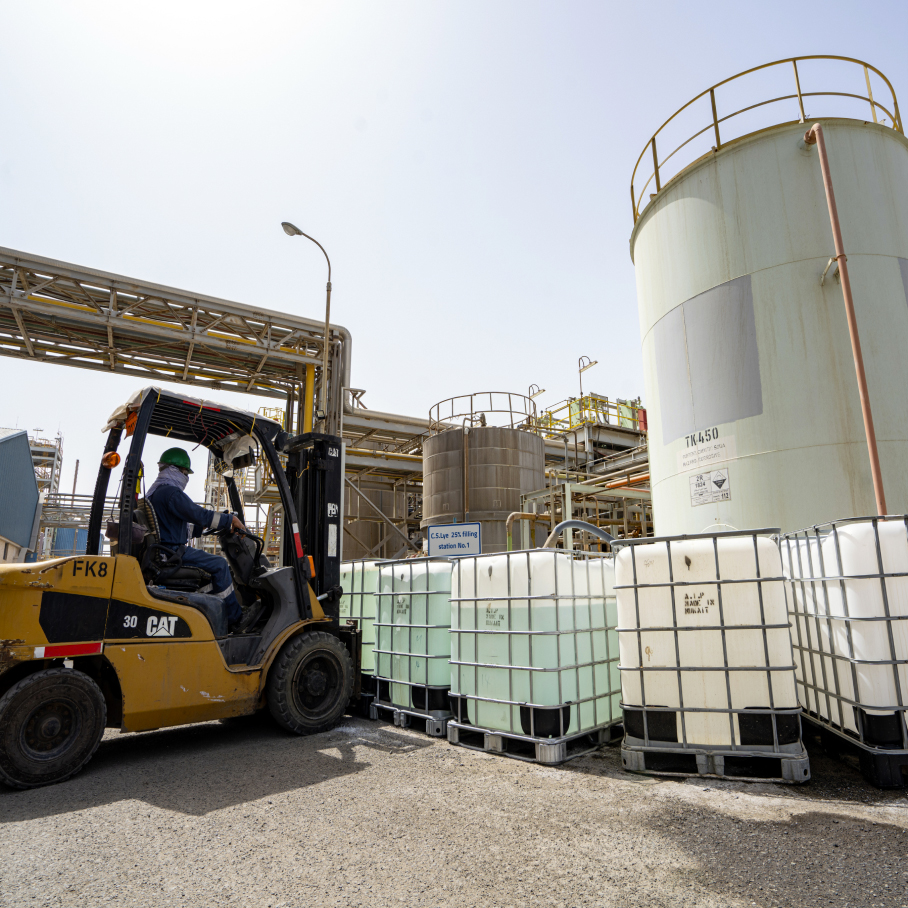
The product is distributed in bulk through road tankers, IBCs, or drums of various sizes and flakes in 25 kg polythene bags.
Please refer to the attached Safety Data Sheet (SDS) for more detailed information regarding the use, storage and safe handling of this product.


PRODUCT USES


  • Pulp and paper production: One of the largest consumers of caustic soda is the pulp and paper industry, where it is used in pulping and bleaching processes, the de-inking of waste paper and water treatment
  • Textile dyeing and finishing
  • Soap and detergent manufacturing
  • Bleach production, petroleum products, and more
  • The production of alumina from bauxite is a major end-use application for caustic soda
  • Caustic soda is used as an intermediate and a reactant in processes that produce solvents, plastics, synthetic fibers, bleach, adhesives, coatings, herbicides, dyes, inks and pharmaceuticals.
  • Other uses include the saponification or conversion of fat, tallow and vegetable oils in soap manufacturing, and in the manufacturing of surfactants for detergents. It is used in the petroleum and natural gas industries to remove acidic materials from hydrocarbons and off-gases. In the textile sector, it is used in the chemical processing of cotton and the dying of synthetic fibers.
  • In many paper making processes, wood is treated with a solution containing sodium sulfide and sodium hydroxide. This helps dissolve most of the unwanted material in the wood, leaving relatively pure cellulose, which forms the basis of paper
  • It is also used to manufacture explosives, epoxy resins, paints, glass and ceramics


Safety Data Sheet – Caustic Flakes >>

Safety Data Sheet – Caustic Lye 25% >>

Safety Data Sheet – Caustic Lye 30% >>

Safety Data Sheet – Caustic Lye 50% >>